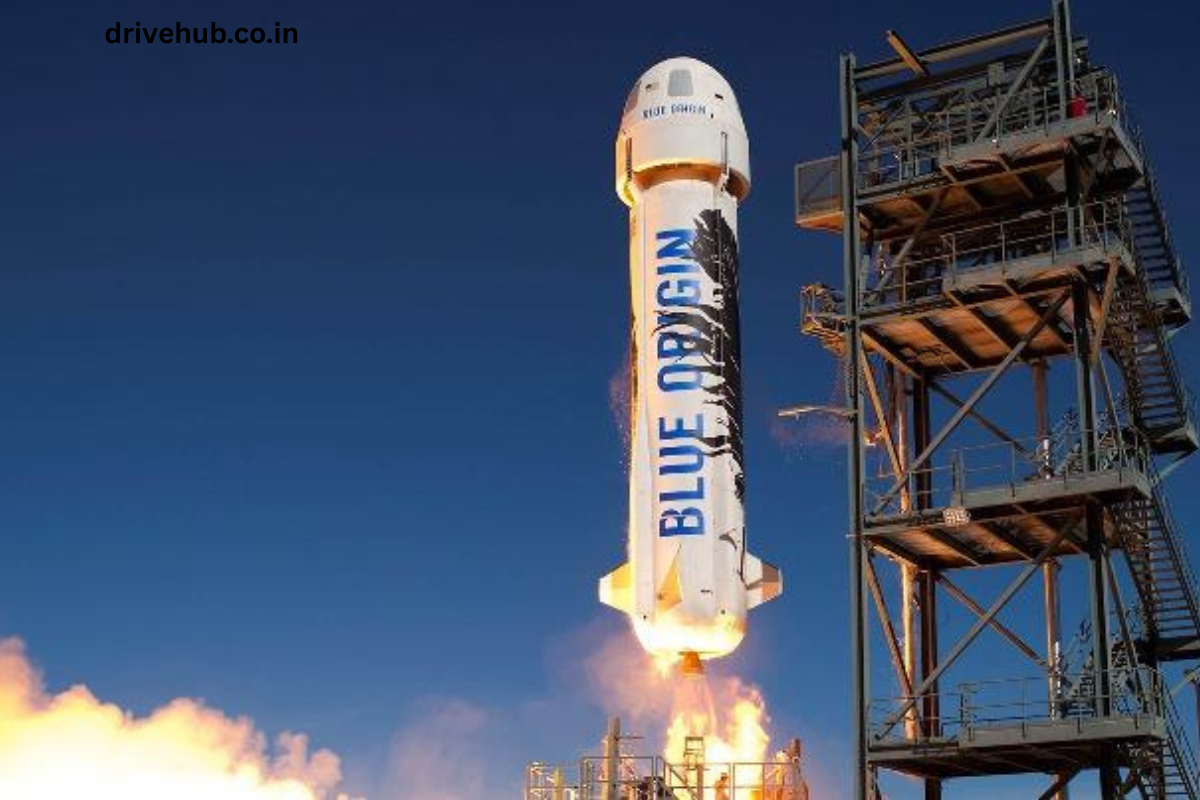
Blue Origin is one of the most ambitious private space companies in the world, founded in 2000 by Jeff Bezos. With a bold vision of enabling millions of people to live and work in space, the company is focused on building the infrastructure needed for a future beyond Earth. Unlike many competitors that prioritize rapid launches, Blue Origin follows a long-term, step-by-step strategy aimed at safety, sustainability, and reusability.
The company’s philosophy, “Gradatim Ferociter,” meaning “Step by Step, Ferociously,” reflects its patient yet determined approach. Over the years, Blue Origin has quietly developed advanced rocket technologies, reusable systems, and space tourism capabilities that are shaping the next era of space exploration.
History of Blue Origin
Blue Origin was founded by Jeff Bezos, the entrepreneur behind Amazon, with the goal of reducing the cost of space travel and expanding human presence into the solar system. Initially operating in secrecy, the company spent years developing core technologies before making its achievements public.
The company’s early work focused on reusable rocket systems, which are critical for making spaceflight affordable. Over time, Blue Origin gained attention for successfully launching and landing rockets vertically—something that was once considered extremely difficult.
Vision and Mission
Blue Origin’s mission goes beyond just launching rockets. The company envisions a future where heavy industries move to space, helping preserve Earth’s resources. By creating space infrastructure, Blue Origin aims to enable millions of people to live and work in space.
Key goals include:
- Lowering the cost of access to space
- Developing reusable rocket systems
- Supporting space tourism
- Enabling lunar and deep-space exploration
- Building orbital habitats for humans
Core Technologies
Reusable Rocket Systems
Reusable rockets are at the heart of Blue Origin’s innovation. Traditional rockets are discarded after a single use, making space missions extremely expensive. Blue Origin’s rockets are designed to return safely to Earth and be reused multiple times, drastically reducing costs.
BE Rocket Engines
Blue Origin has developed a range of powerful engines:
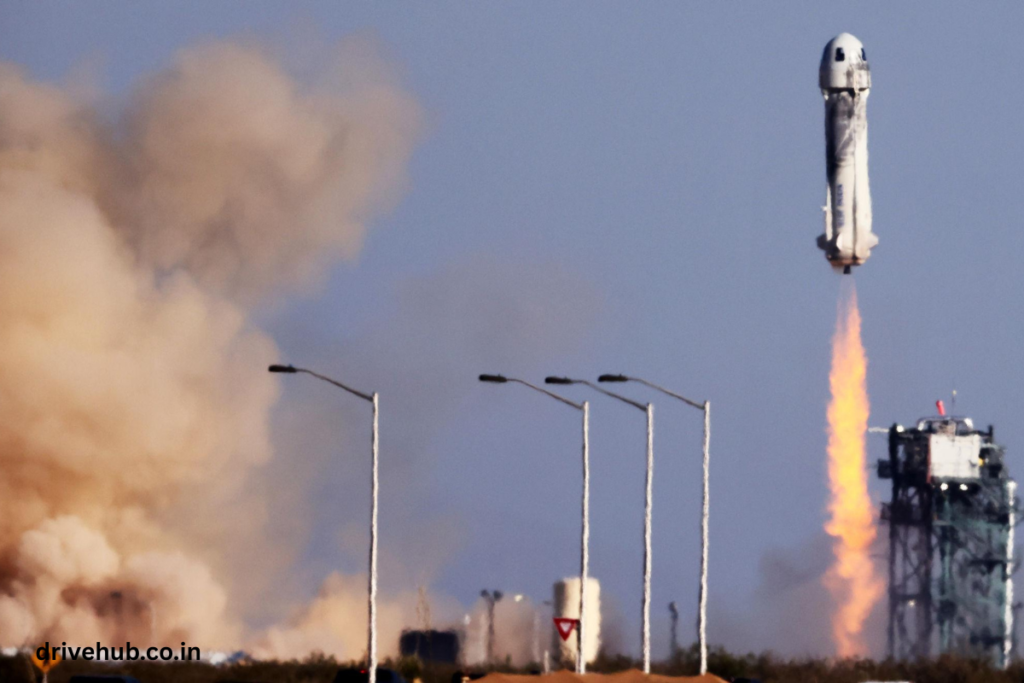
- BE-3 Engine: Used in the New Shepard rocket, powered by liquid hydrogen and oxygen
- BE-4 Engine: A more powerful engine designed for orbital launches, using liquefied natural gas
These engines are not only used in Blue Origin’s rockets but are also supplied to other aerospace companies.
Vertical Landing Technology
One of Blue Origin’s biggest achievements is perfecting vertical landing. After completing a mission, the rocket booster returns to Earth and lands upright, ready for refurbishment and reuse.
Major Projects
New Shepard
New Shepard is Blue Origin’s suborbital rocket designed for space tourism and research missions. It can carry passengers beyond the Kármán line (100 km above Earth), offering a few minutes of weightlessness and stunning views of the planet.
Passengers experience:
- Zero gravity
- Panoramic views of Earth
- A safe and automated flight
This project has already completed multiple successful missions, including flights with civilian passengers.
New Glenn
New Glenn is Blue Origin’s upcoming heavy-lift orbital rocket. Named after astronaut John Glenn, this rocket is designed for launching satellites and conducting deep space missions.
Key features:
- Reusable first stage
- High payload capacity
- Designed for commercial and government missions
New Glenn is expected to compete with leading rockets in the global space industry.
Blue Moon Lunar Lander
Blue Origin is developing the Blue Moon lander to support future Moon missions. It is part of NASA’s Artemis program, which aims to return humans to the Moon and establish a sustainable presence there.
The lander is designed to:
- Transport cargo and crew to the lunar surface
- Support long-term lunar exploration
- Enable future missions to Mars
Space Tourism Revolution
Blue Origin has made headlines with its space tourism program. Through New Shepard, civilians can now travel to space—a concept that was once limited to astronauts.
Notable aspects:
- Fully autonomous flights
- Short duration missions (around 10–11 minutes)
- High safety standards
- Premium experience for passengers
This marks the beginning of a new industry where space travel becomes accessible to private individuals.
Competition in the Space Industry
Blue Origin operates in a highly competitive space sector alongside companies like SpaceX and Virgin Galactic.
- SpaceX: Known for rapid innovation and Mars-focused missions
- Virgin Galactic: Focused primarily on suborbital tourism
Blue Origin differentiates itself by emphasizing reliability, long-term planning, and infrastructure development rather than speed alone.
Blue Origin and NASA Collaboration
Blue Origin works closely with NASA on various projects, including lunar missions and space exploration technologies. The company plays a role in supporting NASA’s long-term goals for human spaceflight.
Sustainability and Future Space Economy
Blue Origin believes that moving heavy industries to space can help protect Earth’s environment. By utilizing space resources, the company envisions a sustainable future where Earth remains a livable planet.
Future Plans
Orbital Habitats
Blue Origin is working on creating space stations where people can live and work. These habitats could support research, manufacturing, and even tourism.
Advanced Propulsion Systems
The company is exploring new propulsion technologies to enable faster and more efficient space travel.
Mars and Beyond
Although currently focused on the Moon, Blue Origin has long-term plans for Mars exploration and beyond.
Challenges and Criticism
Like any major space company, Blue Origin faces challenges:
- High development costs
- Delays in project timelines
- Intense competition
However, its long-term strategy and financial backing provide a strong foundation for future success.
Why Blue Origin Matters
Blue Origin is not just another aerospace company—it represents a shift in how humanity approaches space. By focusing on accessibility, sustainability, and infrastructure, the company is helping to build the foundation for a space-based future.
Conclusion
Blue Origin is shaping the future of space exploration through innovation, patience, and bold vision. With reusable rockets, space tourism, and lunar missions, the company is taking significant steps toward making space accessible to all.
As technology advances and costs decrease, Blue Origin’s dream of millions of people living and working in space may become a reality. The journey has just begun, but the possibilities are endless.